



2025-26 annual Issue: resilience in a fractured future
Open for Rolling Submissions
2025-26 annual Issue: resilience in a fractured future
Open for Rolling Submissions
We invite thinkers from all disciplines to explore our 2025-26 theme of ‘Resilience in a Fractured Future’ from a range of viewpoints, both critical and hopeful. We want to hear about the ideological and the technical, the theory and the practice, and offer our readers deeper insight into the many nuances, contradictions, and possibilities of climate change.

By Matthew M. Ireland
The relationship between Honduras’s coffee sector and migration is mutually reinforcing. As acute climate events, gradual climate impacts, economic volatility, and unstable work conditions impact the livelihoods of rural smallholders, workers turn to migration as a survival strategy. As migration accelerates, the coffee sector can over-rely on remittances and lose the labor, institutional cooperation, and intergenerational continuity it depends on.

By Xiangwei Xia
The pathway to global development and stability is increasingly fractured. Geopolitical rivalries and technological decoupling are systematically splintering the international economic order, overwhelming traditional frameworks of globalization. Nowhere is this fragmentation more physically evident than in the shifting tectonic plates of global electronics manufacturing.
By Tobi Olasunkanmi OIaoye
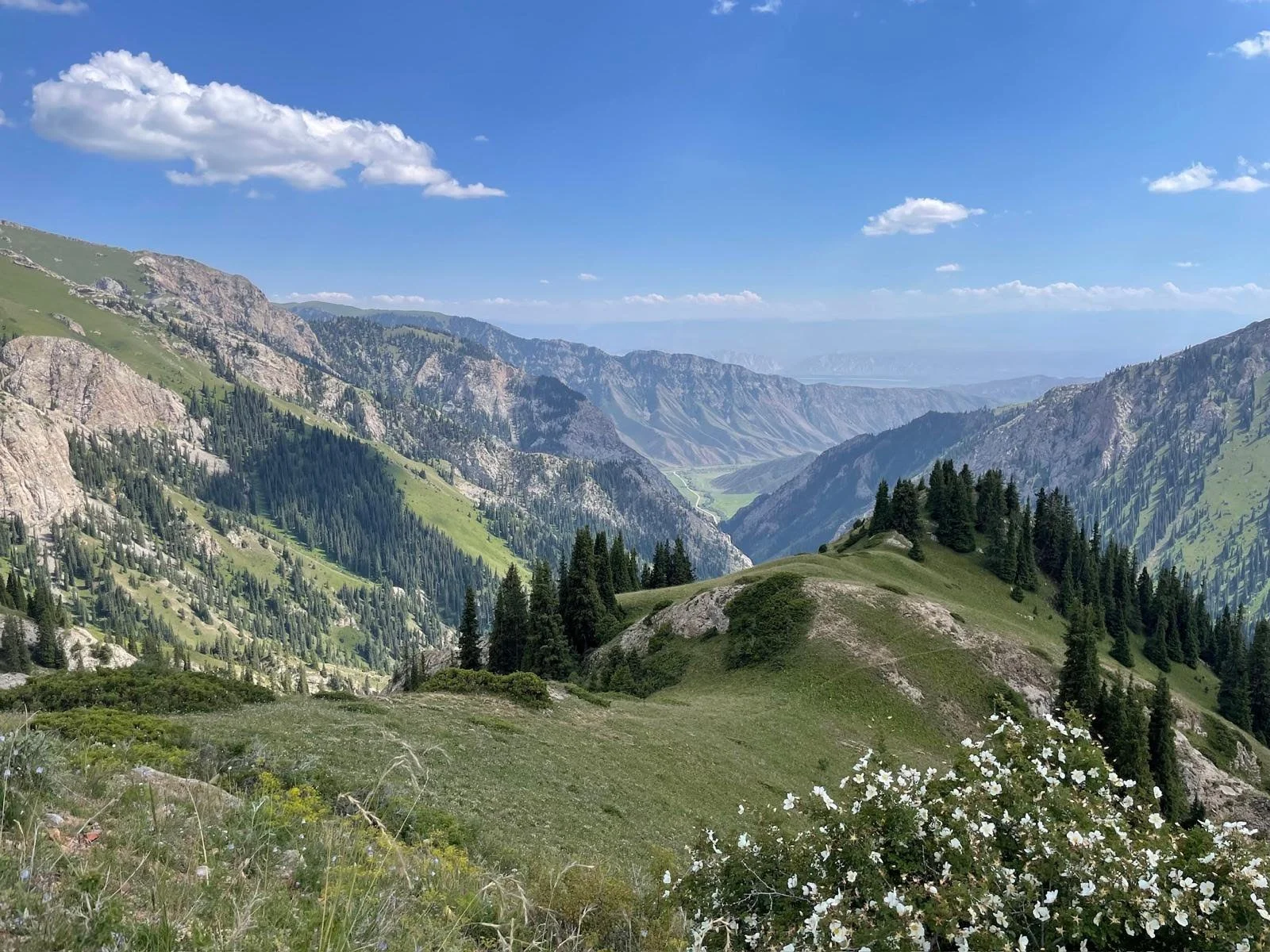
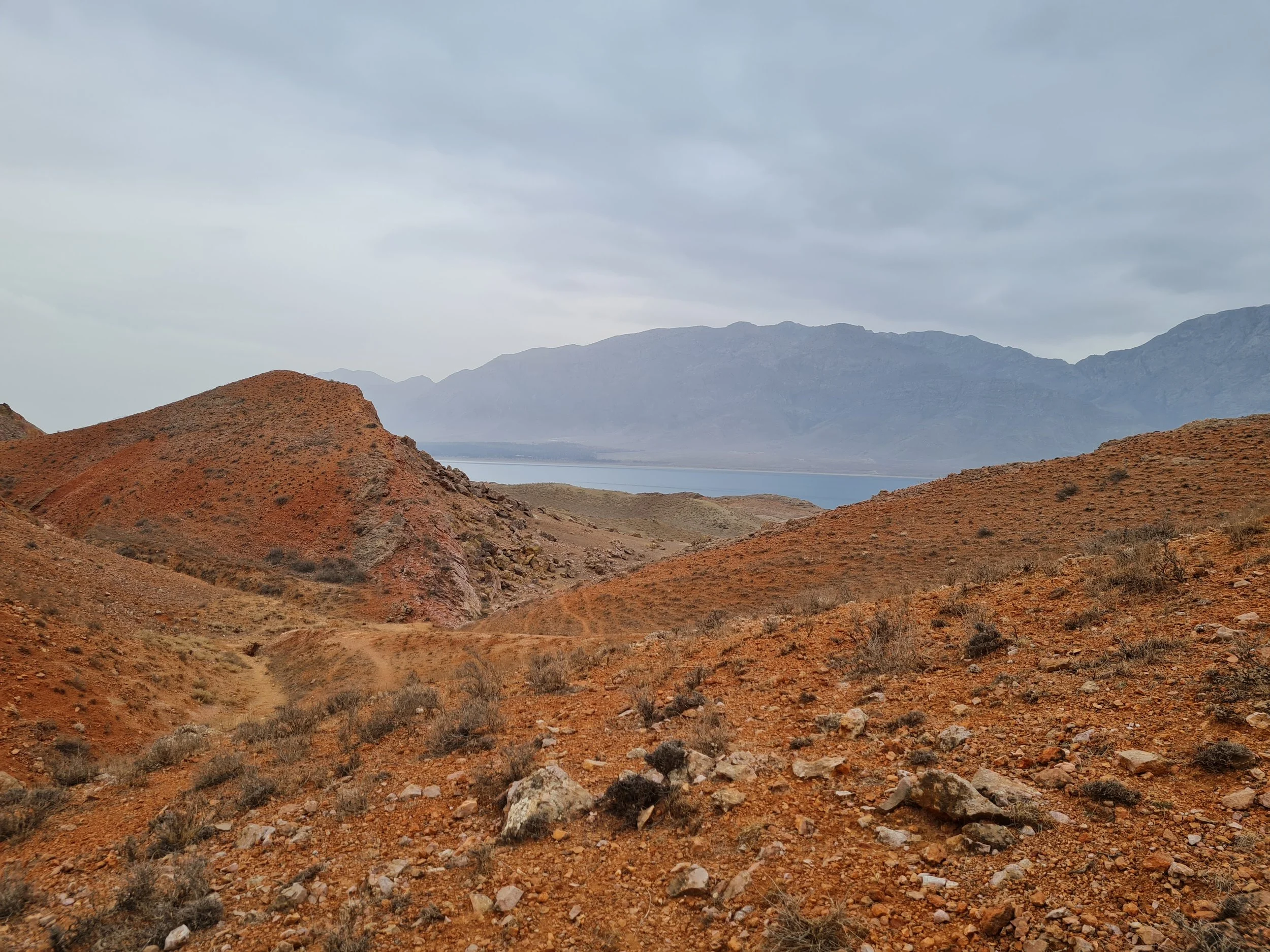
The global energy transformation has spotlighted the importance of key minerals such as lithium, cobalt, nickel, graphite, and rare earth elements. These minerals are indispensable to clean energy: lithium and cobalt are essential to electric vehicle batteries. The extraction and processing of these minerals are largely centralized in only a few states, particularly China. This geographic concentration creates strategic dependencies that threaten decarbonization timelines, global economic security, and geopolitical stability.

By Jeffrey Camille
In deconstructing the challenges faced by the Marshallese diaspora, this article has explored the struggle between adaptation and relocation experienced by Marshall Islanders. My analysis has specifically tackled the issues shaping a generation of displaced Marshallese people: their loss of cultural heritage, their quest for universalistic identification, and their claim for worthiness. While my work is focused on the Marshallese case, dozens of other island states face similar devastation as rising sea levels threaten their existence. The idea of a ‘climate refugee’ is therefore not fiction but an emerging reality that the world must confront. In the interest of building long-lasting global stability, it is important for everyone to recognize that a changing climate is disrupting entire regions and forcing thousands to flee dangerous conditions in pursuit of refuge. The case of the Marshall Islander is, therefore, emblematic of every other displaced individual attempting to guard themselves against the atrocities of climate-induced harm.

By Gauri Prashant Dhote
Research by the World Bank suggests that, by 2050, 216 million people will be forced to leave their homes across the globe. This policy recommendation is dedicated to the Director General (Amy Pope) of the International Organization for Migration (IOM), as they are the primary intergovernmental organization under the United Nations (UN) tasked with addressing such issues.

Development, Climate, & Sustainability Blog
Submit today!
Development, Climate, & Sustainability Blog
Submit today!
This section features concise writing on topics broadly related to development, climate, and sustainability.

A sudden breakdown in the security of encryption protocols would threaten national security, financial stability, and privacy rights. Alarmingly, adversarial states commonly execute “harvest now, decrypt later” strategies, exacerbating the problem and putting even today’s data at risk.
In response to these risks, organizations such as the National Institute of Standards and Technology (NIST) and the International Telecommunication Union (ITU) are well into developing PQC algorithms. Despite their efforts, however, cross-sector and international adoption has been met with uneven commitment. Coordinated efforts for implementation are necessary to ensure that data remains secure domestically and abroad.

Recently, Professor Jeff D. Colgan visited the SAIS Bologna Campus to speak about whether the 2015 Paris Climate Agreement influenced corporate behavior while also addressing some of the challenges and obstacles climate progress might face in the coming years. Second year MAIA student William Louis Hill was able to sit down and interview Professor Colgan on his thoughts for what lies ahead. This interview has been edited and condensed for clarity.

BY NINA DAVIS
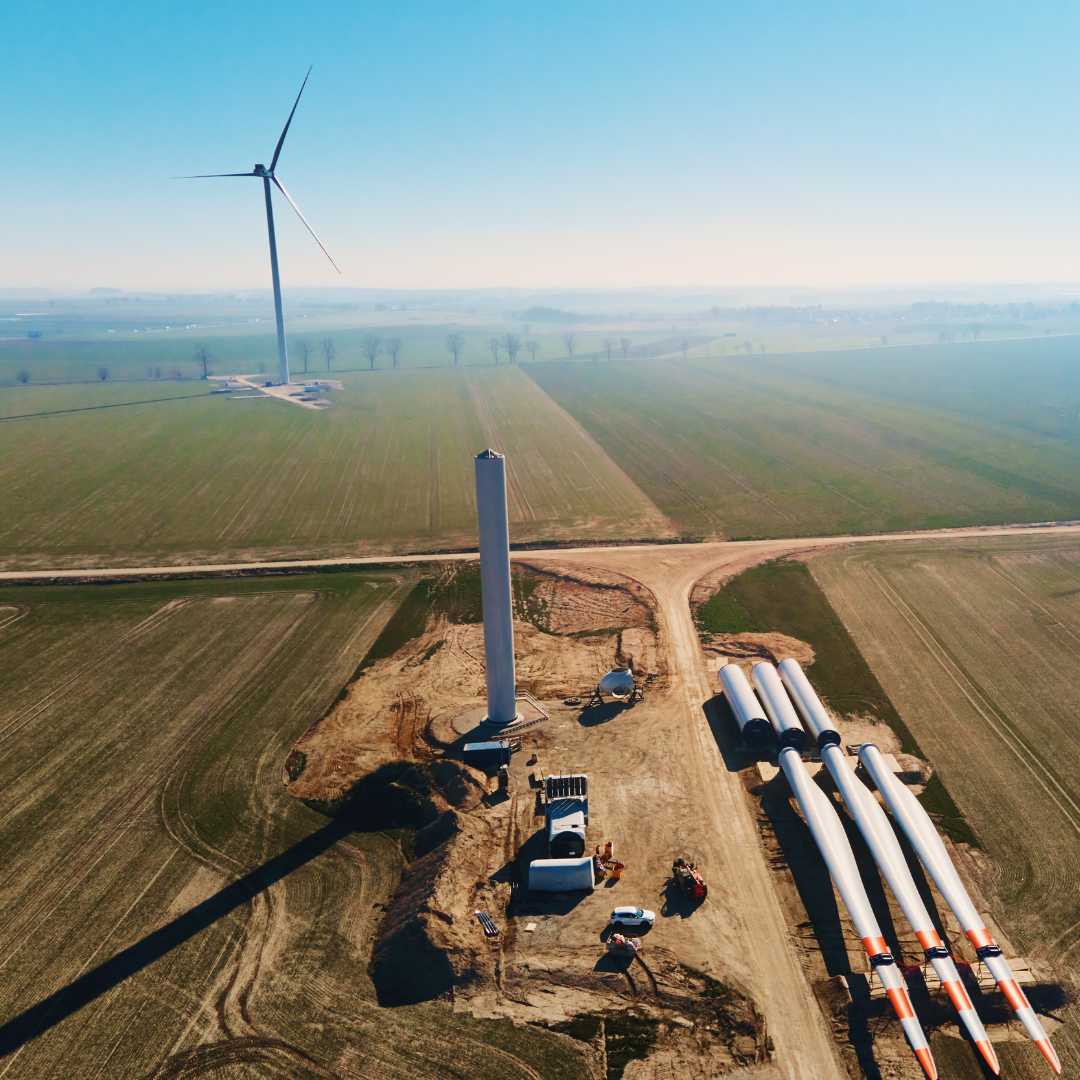
In a report by journalist Russell Gold, the citizens of Sweetwater, Texas have witnessed an explosion of all three since 2017. Acres of dumped 200-foot-long wind turbine blades are the cause. Thousands of blades are delivered to the small town each year cut into three pieces equivalent to the length of a school bus. This ritualistic dumping has stacked these blades into piles 10 feet high covering more than thirty acres. This draws attention to hypocrisy within the renewable energy sector when they assert that green energy is good for the environment while it continues to lack sustainable circularity.
BY KAMERYN RICHARDSON
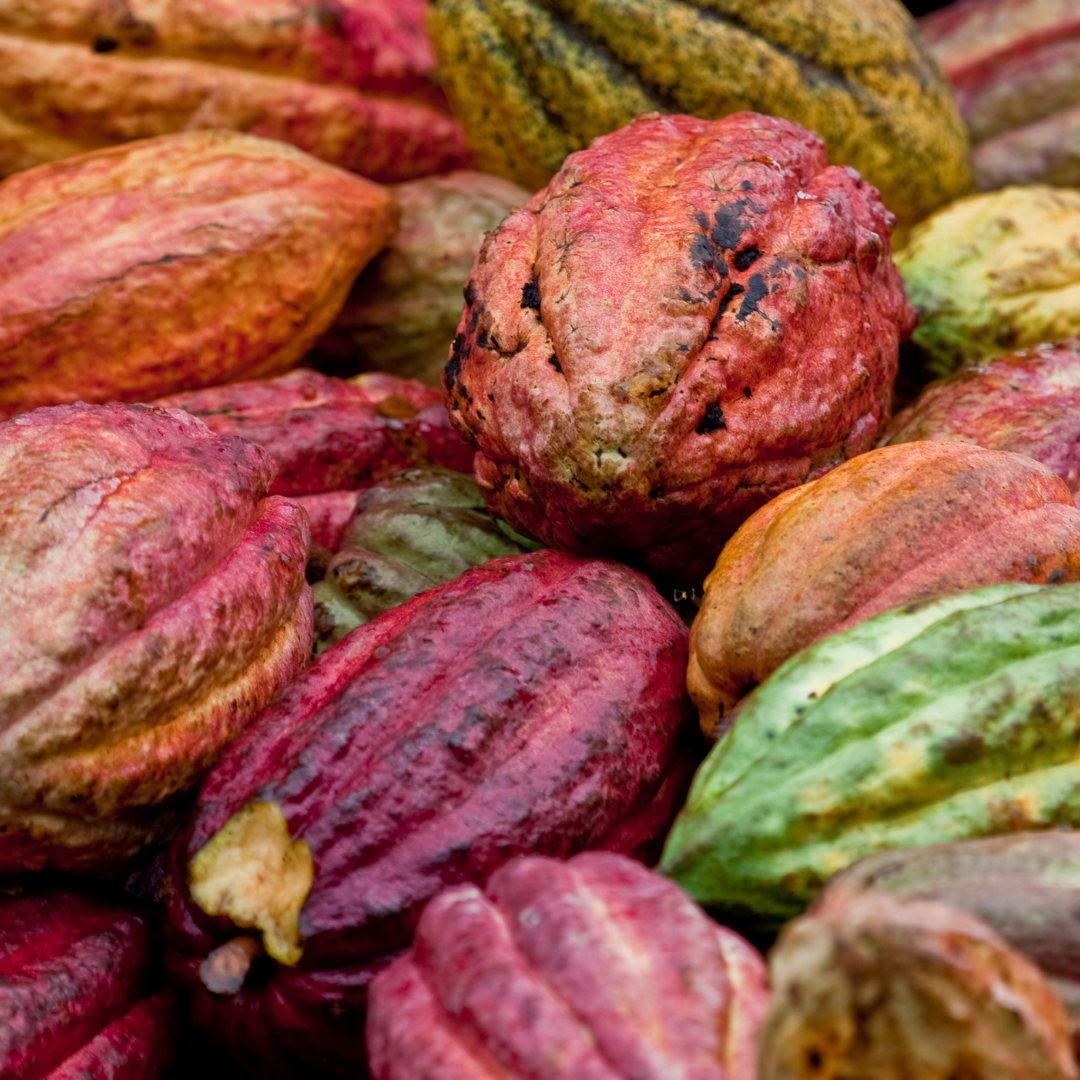
Despite publicly denouncing child labor, major cocoa corporations fall short of eliminating distributors engaging in this practice from their supply chains. In the absence of compulsory anti-child labor due diligence, progress on this front has proven stunningly slow. Pledges to eradicate the “worst forms of child labor” by 2005, solidified under the voluntarily-enforced Harkin-Engel Protocol, remain unhonored.

BY IMAN AWAD
Despite various U.S. policy measures to hold the Burmese military accountable, the ongoing escalation of violence suggests that there is still considerable progress to be made, particularly in the recognition of corporations that continue to operate in Burma. With the formal declaration of genocide, the U.S. now bears both a moral and legal obligation to take immediate and responsive action. Morally, it restores dignity to the Rohingya and other victims of the genocide by acknowledging their pain and trauma — and now it’s time for corporations to do the same.

BY MORGAN WILSMANN
AI models that power the likes of OpenAI’s ChatGPT use humans to tease out and label horrific content, like child sexual abuse, bestiality, murder, suicide, torture, self-harm, or incest, so the AI system may “learn” to filter out problematic data before the end user sees it. And, as with most “low-skilled” undesirable work, these responsibilities disproportionately fall upon the economically vulnerable in developing countries. Kenya, with its educated English-speaking workforce, has become a hub for outsourcing content moderation in this area.

BY SHEIDA HOOSHMANDI
This research examines the potential for distributed solar photovoltaics (PV) paired with lithium-ion battery energy storage systems (solar plus) to serve as resilient community-level microgrids that generate and store power locally to sustain critical electricity loads when the centralized grid is intentionally disabled for public safety.

BY ANNE-CHARLOTTE FROTTÉ
Today, Chile privatizes resources like water and minerals, and is a major supplier of lithium and copper, both of which are used for clean energy storage and transportation. Chile is now working to use their advantage in green hydrogen production to become one out of three of the world’s largest hydrogen exporters by 2040, and produce green hydrogen at the lowest cost by 2030.

BY AHAVA ZAREMBSKI
From her experience as the CEO of an energy impact innovation startup, Ahava Zarembski has come to understand several key challenges facing the ecosystem of impact startups. Current frameworks for initial funding make it difficult for impact innovations - designed to improve the ESG (Environmental, Social, or Governance) related challenges facing our world today - to receive the investment they require. In this piece she highlights both core problems and potential solutions to the difficulties facing impact innovations as they attempt to scale up their operations.
BY MIRABAI VENKATESH
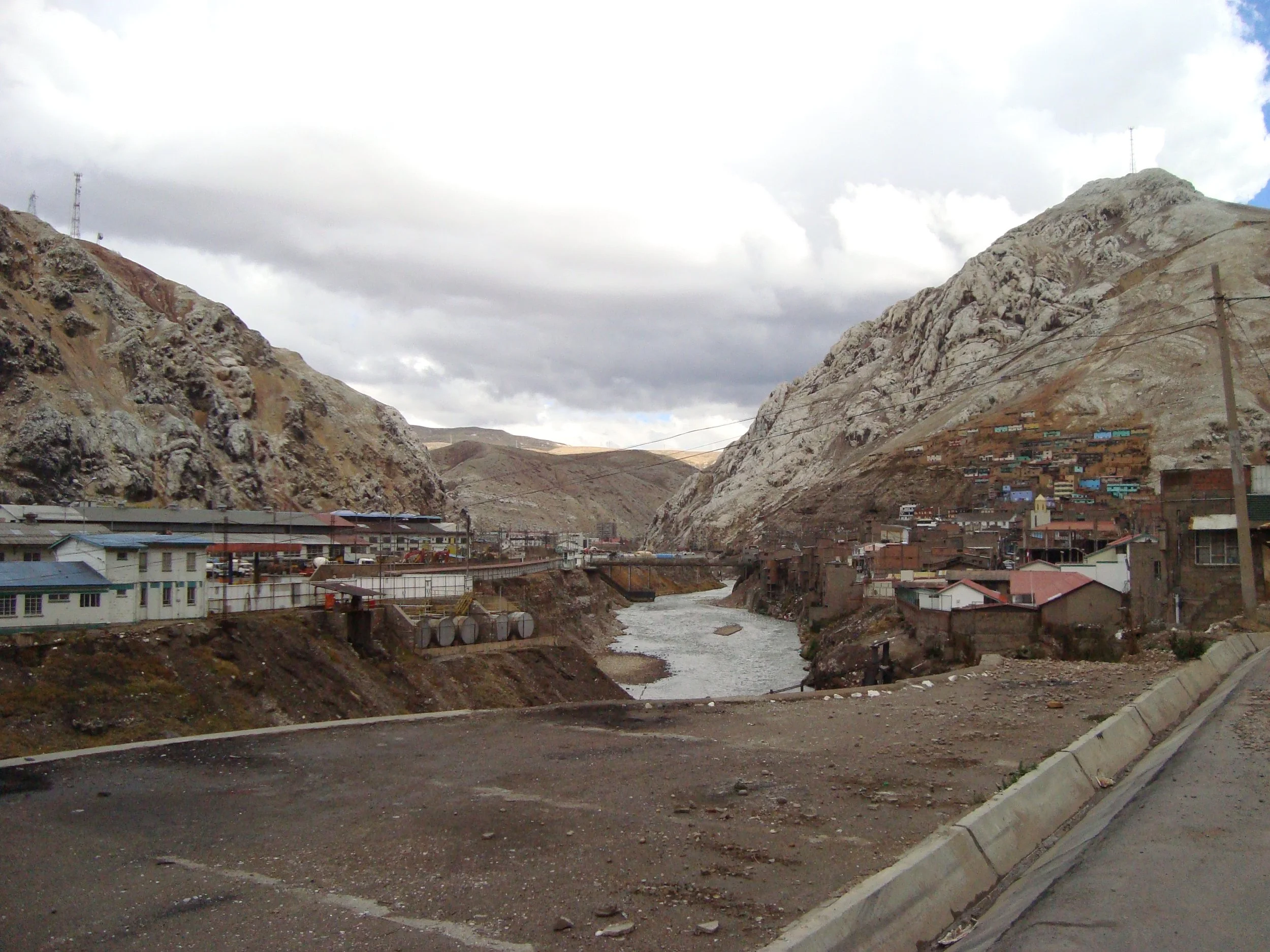
The case of La Oroya, Peru provides insight into how International Investment Treaties (IITs) and their Investor-State Dispute Settlement (ISDS) processes enable foreign corporate interests to pressure governments to allow profit-driven violations of environmental and human rights in developing countries.
BY SHU FUKUYA
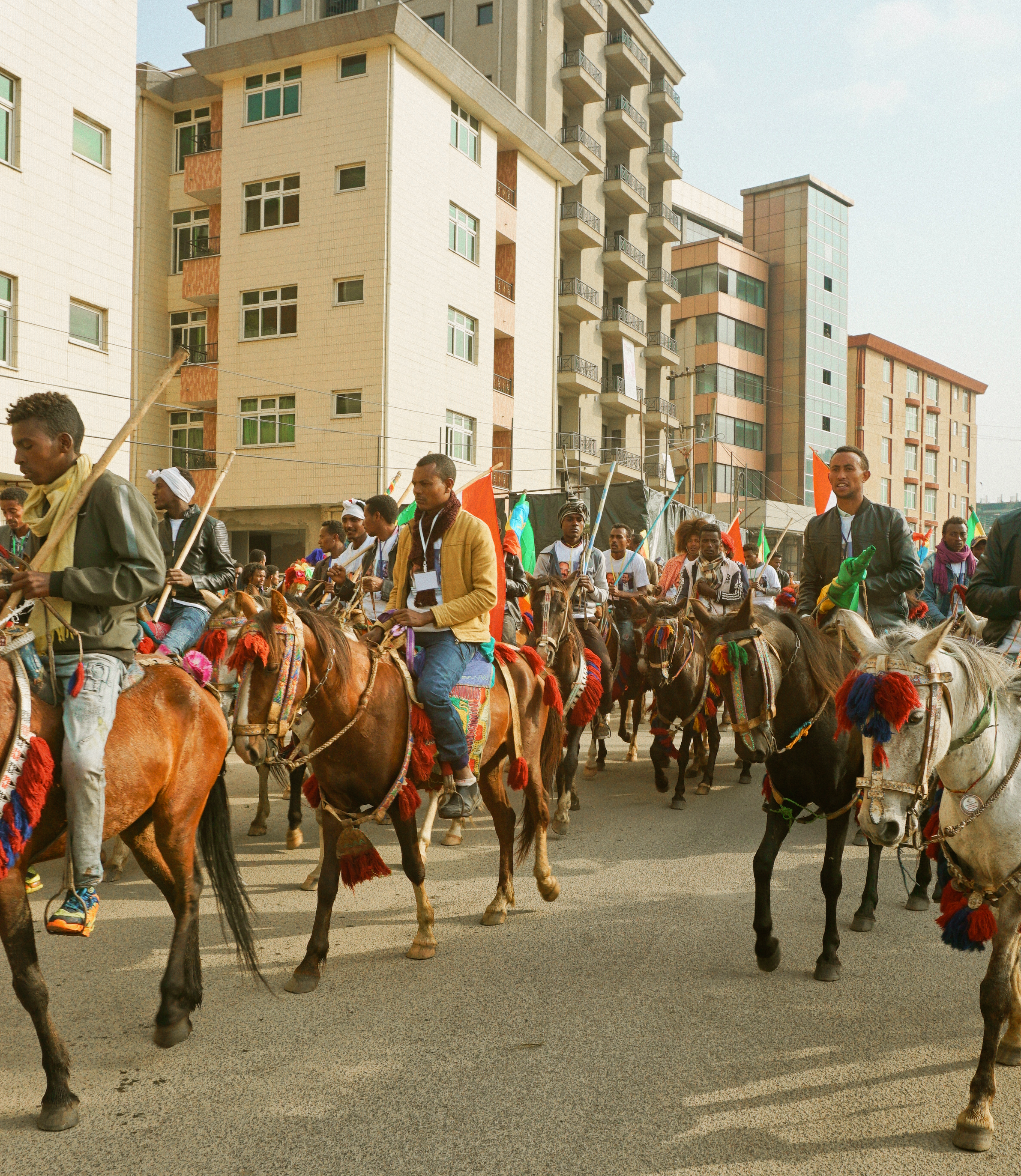
Until 2018, the Ethiopian People’s Revolutionary Democratic Front (EPRDF), led by the Tigre-based armed group known as the Tigray People's Liberation Front (TPLF), ruled Ethiopia as the majority party, resulting in relative political stability. However, the appointment of Prime Minister Abiy in 2018 caused political reforms and a power shift, leading to conflict between the federal government and the TPLF. The resulting political instability has suddenly led to a slowdown in economic development and the eruption of a multifaceted humanitarian crisis. From being lauded as a developmental success just a few years prior to the COVID-19 pandemic, Ethiopia is now a leading example of sustainable development in crisis.
WE ARE HIRING!
SAIS Perspectives is now accepting applications for Editors for the 2026-27 academic year on SMILE.
Editors of SAIS Perspectives support the publication’s mission of addressing serious and provocative topics in international development, climate change, and sustainability. The editorial team helps maintain the quality of the publication while supporting growth in both content and readership.
Prospective editors should be comfortable copy-editing academic and/or journalistic articles and have some experience with social media. Concentrations in Development, Climate, and Sustainability are preferred but not required.
WE ARE HIRING!
SAIS Perspectives is now accepting applications for Editors for the 2026-27 academic year on SMILE.
Editors of SAIS Perspectives support the publication’s mission of addressing serious and provocative topics in international development, climate change, and sustainability. The editorial team helps maintain the quality of the publication while supporting growth in both content and readership.
Prospective editors should be comfortable copy-editing academic and/or journalistic articles and have some experience with social media. Concentrations in Development, Climate, and Sustainability are preferred but not required.
Responsibilities
Edit and proofread submitted articles for clarity, grammar, style, and consistency
Support the editorial process from draft review to final publication
Collaborate with other editors and contributors to develop content ideas
Contribute ideas for future issues, themes, and topics
Qualifications
Successful candidates will have:
Strong teamwork and communication skills
Strong writing and editing skills
Ability to work collaboratively and meet deadlines
Attention to detail and commitment to high editorial standards
Application Requirements
Please attach in a single PDF:
A resume
A writing sample
A proposal for next year’s theme - full instructions on SMILE.
All applications will be submitted through SMILE.
If you have any questions or concerns, please contact:
Fatima Masood
202-359-3389
fmasood2@jh.edu
Lucie Kneip
lkneip1@jh.edu
summer intern series
Submit today!
summer intern series
Submit today!
This section highlights the unique experiences of SAIS students interning with change-making organizations around the world.

BY JOHN AUGÉ
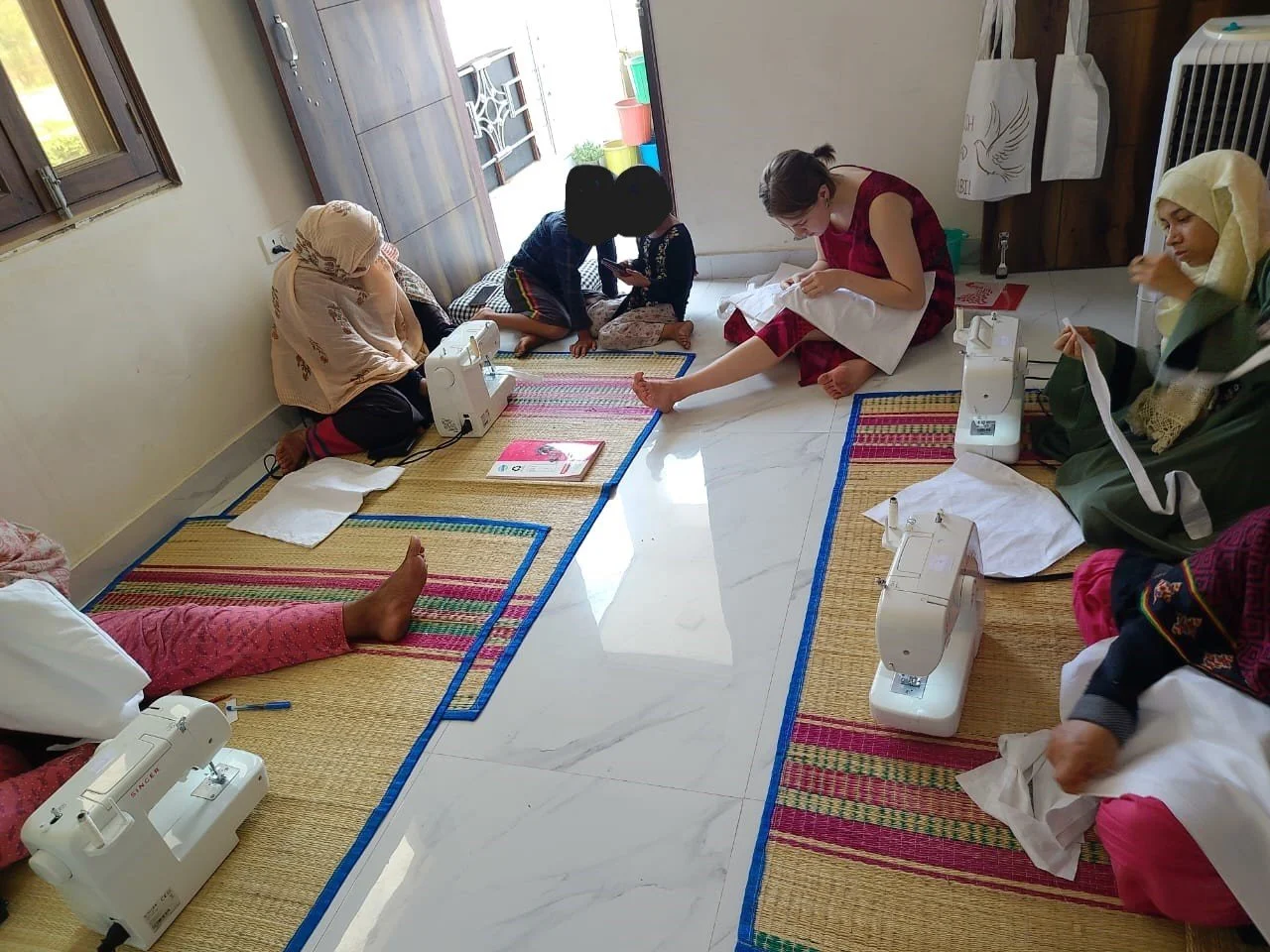
How do nations on the frontline of climate change fight its effects on the ground level? John Augé spent the summer working with the Tuvalu Climate Action Network (TuCAN) to implement local sustainability projects.

BY SHERAN MUNASINGHE
HOW ARE ENERGY COMPANIES UTILIZING METHANOL IN THE PIVOT TOWARDS RENEWABLE ENERGY? SHERAN’S SUMMER WORK AT EUROPEAN ENERGY A/S EXPLORES THE TOPIC.
BY KATRIEL MARKS
HOW CAN FINANCIAL INSTITUTIONS HELP IN THE FIGHT TO COMBAT CLIMATE CHANGE? KATRIEL’S SUMMER RESEARCH AT SARB FOCUSES ON GREEN FINANCE.

BY YULIA BUYNOVA
How does behavioral energy efficiency work? Yulia Buynova talks about how a neighborly competition can help decrease energy intensity and how Opower contributes to it.
BY JENNY LEE
How does one of the world’s most prestigious think tanks approach the issue of climate change? Jenny Lee spent the summer working alongside top Energy Security and Climate change experts at CFR.

BY SIMONE WEICHENRIEDER
HOW DO RULE OF LAW AND INTERNATIONAL DEVELOPMENT CO-EXIST? SIMONE WEICHENRIEDER EXPLORES THE RELATIONSHIP BETWEEN THE TWO DURING HER SUMMER AT THE IDLO.

BY CAMILLE SACHS
CAMILLE REFLECTS ON HER EXPERIENCE AT iDE, A NON-PROFIT ORGANIZATION DEDICATED TO ADDRESSING THE NEEDS OF POOR RURAL HOUSEHOLDS, WHERE SHE NAVIGATED THE COMPLEXITY OF GENDER AND SOCIAL INCLUSION POLICY

BY ELISE GREEN
WHAT ARE THE DANGERS OF A DOMINANT DOLLAR? ELISE GREEN EXPLORES THE CONSEQUENCES OF A STRENGTHENING DOLLAR ON EMERGING MARKETS AND DEVELOPING ECONOMIES IN THE MIDST OF THE COVID-19 PANDEMIC

BY ADIGUN ATINUKE
ADIGUN GIVES TIPS TO EXCEL IN A FAST-PACED DEVELOPMENT CONSULTING ENVIRONMENT AND DESCRIBES HER EXPERIENCE RESEARCHING SANITATION FINANCING AND INVESTMENT STRATEGY IN INDIA AND SUB-SAHARAN AFRICA.

BY CHLOE ADCOCK
During an internship at USAID headquarters, Chloe supported YALI, a leadership development program for business, civil society, and public sector leaders aged 20 to 35 in multiple African countries.

BY REID DOBELL
Reid interned at LixCap, a company that invests in the agricultural supply chain of developing economies and provides advisory services for governments, DFIs, and private sector clients looking to develop infrastructure in emerging markets.

BY SOPHIE WANG
DISCUSSING THE CHALLENGING TASKS AND REWARDING ENVIRONMENT OF THE SMALL, INNOVATIVE DEVELOPMENT CONSULTANCY ATHENA INFONOMICS IN CHENNAI, INDIA

BY ASPASEA MCKENNA
MEETING WITH LOCAL OFFICIALS, CONDUCTING FIELDWORK AND WORKING WITH DATA, ASPASEA MCKENNA SHARES HER RANGE OF EXPERIENCES IN MYANMAR.

BY ADYASHA MOHANTY
Discussing the importance of cross-sector approaches to child welfare solutions, Adyasha reflects on her experiences this summer with Athena Infonomics where she examined the importance of safer and more inclusive public transportation for schoolchildren.
BY YIFAN POWERS
This summer, I interned with the Mann Deshi Foundation in Maharashtra, India, and worked on a process evaluation of one of the Foundation’s newest programs, the Mann Deshi Champions Youth Development Center (YDC).

BY ALEX BURNS
Over the summer, I served as the Peace, Security and Humanitarian Action Intern with the UN Women Malawi Country Office. I supported the Cyclone Idai humanitarian response by designing the procurement and distribution plan for gender protection supplies, which prevent gender-based violence (GBV) in relocation sites for internally displaced people.
BY SARAH SASSOON
In a country where cash is king, implementation of digital financial services (DFS) can be difficult. Sarah shares her experience working for a Microfinance non-profit in Amman, Jordan.

BY ANGELA MAZIMBA
TRANSITIONING TOWARD A MORE RENEWABLE ENERGY MIX CAN BE CHALLENGING IN A DEVELOPING CONTEXT. ANGELA SHARES LESSONS FROM HER INTERNSHIP IN LUSAKA, ZAMBIA.
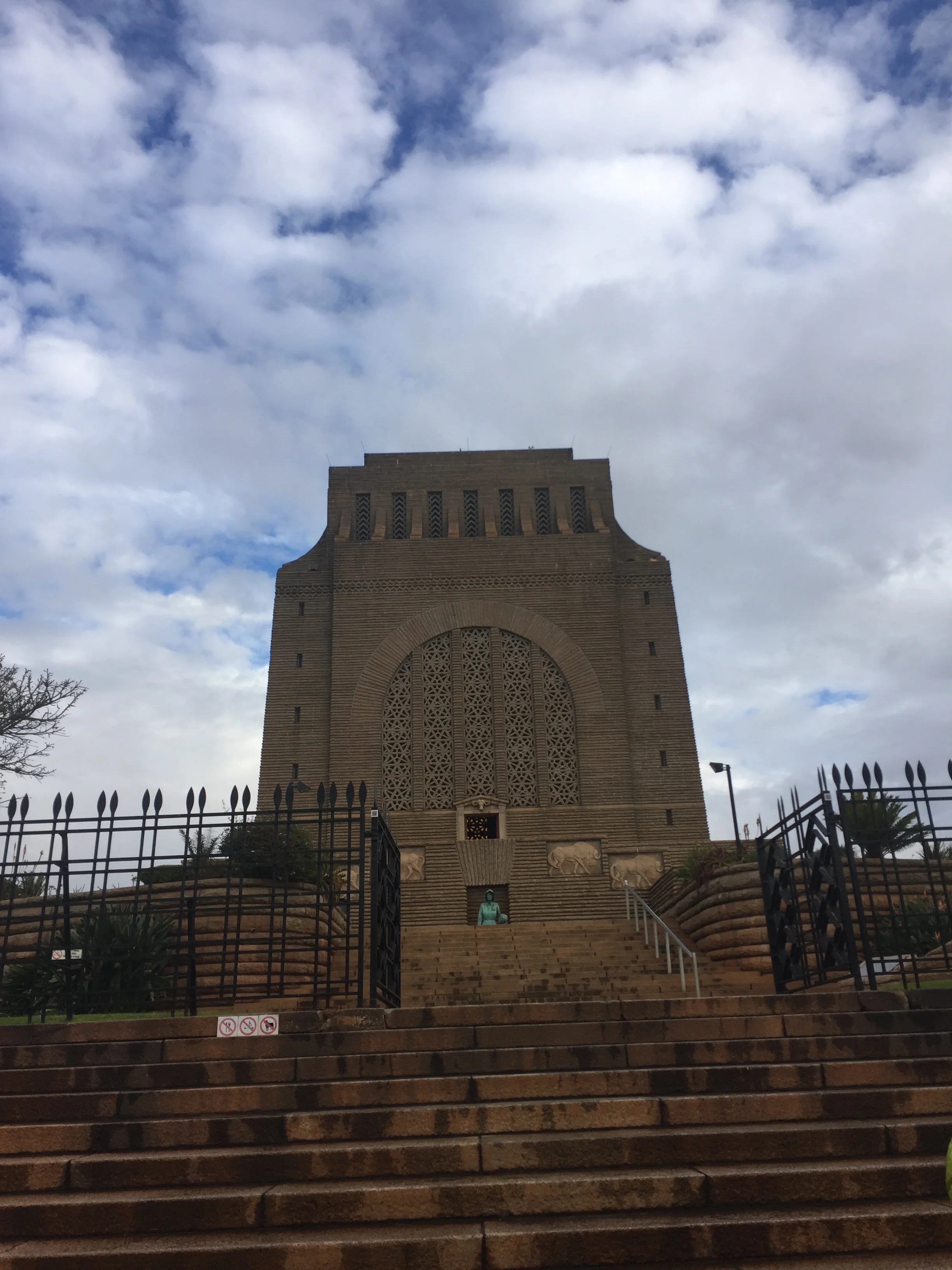
BY KHAMAL CLAYTON
By spending a summer with the South African Reserve Bank, Khamal Clayton saw firsthand how political legacy can affect economic realities.

BY LIZ SKOKAN
CAN A MEMBER OF THE EU ALSO BE CONSIDERED A “DEVELOPING” COUNTRY? LIZ SKOKAN SHARES HER EXPERIENCE NAVIGATING SUCH CONTRADICTIONS WHILE INTERNING WITH THE STATE DEPARTMENT IN BUCHAREST THIS SUMMER.

BY WILL BURCHELL
At a small private investing firm, Will saw firsthand the impact a hands-on approach can have for social impact investing.

BY MILENA CASABELLA
With Rise Against Hunger, Milena Casabella was able to work directly on food security issues in South Africa’s township areas.

BY SAVANNAH NEWMAN
Savannah Newman shares stories of female entrepreneurs that she worked with during her summer interning with the Mann Deshi Foundation in India.
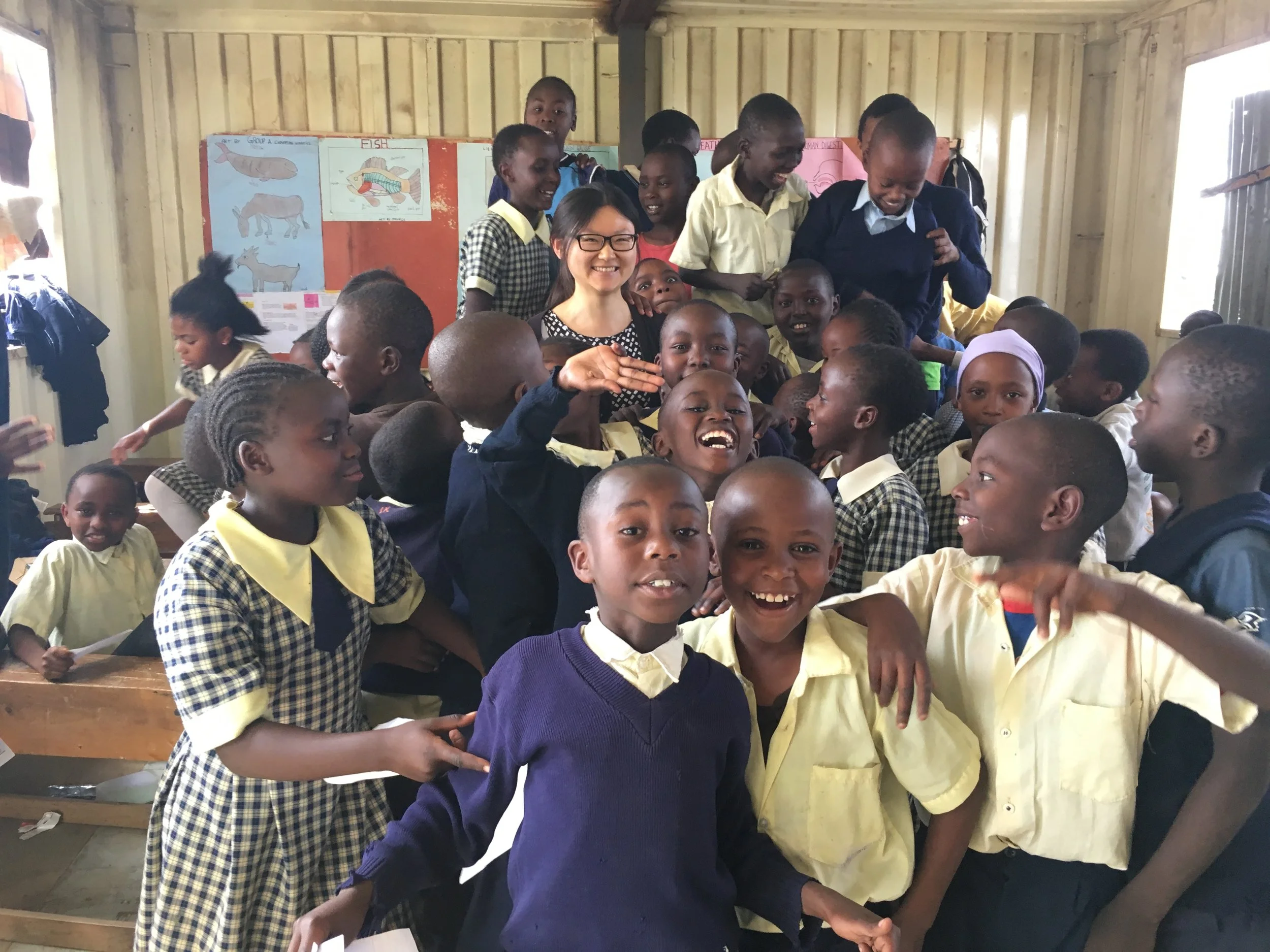
BY KUN ZHANG
KUN ZHANG TAKES A LOOK BACK AT AN INTERNSHIP THAT CHALLENGED HER ASSUMPTIONS ABOUT INTERNATIONAL DEVELOPMENT.

BY ALICE SCHAUS
ALICE SCHAUS RETURNS FROM HER SUMMER INTERNSHIP READY TO DELVE FURTHER INTO THE WORLD OF SOCIAL IMPACT ENTREPRENEURSHIP.

BY EMILY SCHAUB
EMILY SCHAUB LOOKS AT HOW FAR SOME AFRICAN COUNTRIES NEED TO GO TO INCLUDE YOUNG PEOPLE IN POLITICAL DECISION-MAKING

BY ANSHU SINGH
ANSHU SINGH EXAMINES AN INNOVATIVE APPROACH TO PROBLEM SOLVING THAT USES NON-TRADITIONAL LOCAL ACTORS, USING THE EXAMPLE OF A CRIME PREVENTION PROGRAM IN MEXICO

BY LYN PHANG
LYN PHANG PAUSES TO REFLECT ON HER IDENTITY AND LESSONS LEARNED DURING HER SUMMER IN JAKARTA.

BY PABLO VILLAR VILEIKIS
PABLO VILLAR VILEIKIS ANALYZES WAYS OF STRENGTHENING HIGHER EDUCATION IN PERU WITH LESSONS FOR LATIN AMERICA AT LARGE.
Who are We?
Who are We?
SAIS Perspectives is the student-run publication of the Johns Hopkins School of Advanced International Studies (SAIS) Development, Climate, and Sustainability (DCS) program. Our goal is to create a platform for sharing ideas about current issues in the field of international development, energy, environment, and climate change.
Previously, SAIS Perspectives was an annual print publication. In 2014, we launched Perspectives' new online home, www.saisperspectives.com, making the journal accessible to readers on a global scale.
By Lindsey Sasson
A single word now sits at the center of one of the most important fights over wildlife protection in the United States: harm. For decades, federal agencies interpreted “harm” under the Endangered Species Act to include serious habitat destruction that kills or injures protected wildlife. That definition was based on a simple ecological reality: a species cannot survive if the places where it eats or shelters disappear.